What Fungus Gnats Do to Your Plants
The flies are annoying. The larvae in the soil are the problem.
Most people dismiss fungus gnats as annoying but harmless. That's only half right. Adult gnats don't damage plants or bite people, but big larval populations can hurt plants, especially seedlings, cuttings and young plants. Greenhouse growers treat them as a major pest.
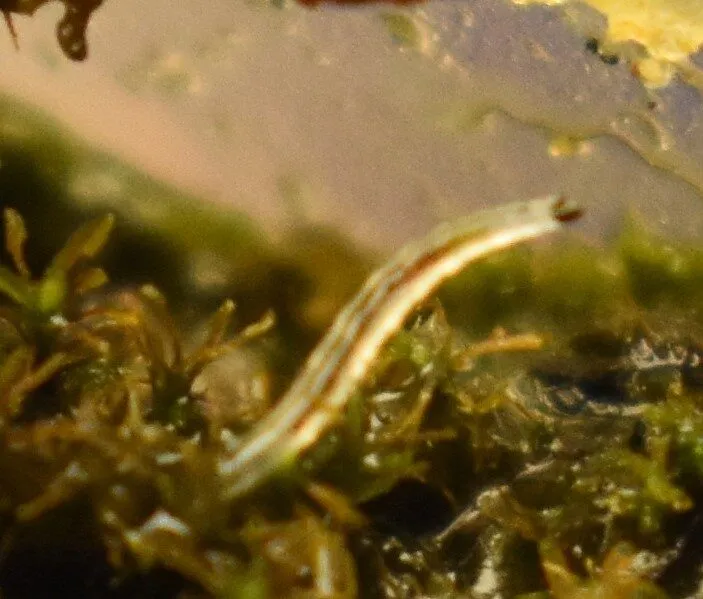
Photo: zookanthos / iNaturalist, CC BY
Direct Damage
Root Feeding
Larvae feed on root hairs and fine roots, interfering with the plant's ability to absorb water and nutrients. The result is stunted growth and an overall loss of vigor.
Stem Feeding
Larvae can tunnel into plant crowns and stems. Succulent-stemmed plants like poinsettias, begonias, geraniums and coleus are especially prone. The wounds give soil-borne pathogens a way in.
Seedling Death
Young plants and seedlings are much more vulnerable than mature plants. Larvae also feed on the callus of fresh cuttings, which slows rooting. Heavy infestations can kill seedlings and young plants.
Leaf Damage
Larvae may come up out of the soil to feed on leaves lying on the growing media surface.
Root Tip Destruction
Larval feeding leaves blunt root tips, which you can see if you tip the plant out. Healthy roots taper to fine points.
Indirect Damage: Disease Transmission
Diseases They Spread
Larvae have been shown to eat the spores of Pythium and Fusarium and carry them into healthy young plants as they feed. Pythium oospores can pass through a larva's gut and still germinate afterwards.
Adults can carry spores of Botrytis, Fusarium, Thielaviopsis and Verticillium on their bodies and spread them around a greenhouse. How much this matters in practice is still not clear.
Wound Entry Points
Feeding wounds give soil-borne pathogens a way into roots and stems.
If you are fighting root rot and you also have gnats, deal with both.
Symptoms of Fungus Gnat Damage
- Loss of vigor and stunted growth
- Wilting
- Seedlings and young plants dying
- Cuttings slow to root
- Root systems with blunt tips or visible feeding damage
These symptoms overlap with overwatering, root rot and poor drainage, and UC IPM says wilting is more often caused by those than by larvae. If you see gnats and a struggling plant, tip it out and look at the roots and the soil before you decide which problem you have.
Plants Most Affected
While fungus gnats can infest nearly any plant grown in organic media, certain species and situations are especially vulnerable:
Plants named in extension guides: poinsettias, geraniums, begonias, coleus, sedum, cyclamen, impatiens, gerbera, gloxinia, peppers, annual vinca, cacti, young orchids, ferns, tulip bulbs, bedding plants, and vegetable transplants. Any seedlings or cuttings that are still forming roots are at higher risk.
Growing media high in peat moss, compost or composted bark attracts fungus gnats. Moist peat supports the fungi that larvae need to complete development.
Economic Impact
In commercial greenhouses and nurseries, fungus gnats are now recognized as major pests, because both larvae and adults can cause direct and indirect damage that leads to economic losses. For home growers, the cost comes in lost plants, wasted soil, and the frustration of watching a collection decline despite attentive care.
Sources
- Fungus Gnat Management in Greenhouses and Nurseries (MF2937), Kansas State University Research and Extension
- Ecology of Fungus Gnats (Bradysia spp.) in Greenhouse Production Systems Associated with Disease-Interactions and Alternative Management Strategies, R.A. Cloyd, Insects (2015)
- Pest Notes: Fungus Gnats, UC Statewide IPM Program
- Managing Fungus Gnats in the Greenhouse, UConn Extension
- Biological Control of Fungus Gnats, UConn Extension
- Managing Fungus Gnats, Thrips, Aphids and Mites, UMass Extension
- Darkwinged Fungus Gnats, Bradysia spp. (EENY-215), University of Florida IFAS Extension